Start with South Beach for glamour, Wynwood for street art, and Little Havana for Cuban culture. Add Vizcaya for grand gardens, a bay cruise for skyline views, and the Everglades for wild nature. Together, these stops cover beaches, art, food, history, and nature in one compact trip. The Art Deco district alone holds more than 800 historic buildings in about one square mile.
Greater Miami drew a record 28 million visitors in 2024, so smart planning matters more than ever. Group sights by neighborhood to cut driving time and leave room for slow meals and sunset stops. This guide sorts the must see sights by area, vibe, and traveler type.
Key Takeaways
- Classic first: South Beach pairs white sand with pastel Art Deco streets.
- Art pick: Wynwood Walls packs huge murals into one walkable creative district.
- Culture pick: Little Havana serves cafecito, dominoes, salsa, and cigar craft on Calle Ocho.
- Nature pick: The Everglades offers airboats, alligators, and open wetlands near the city.
- Planning tip: Group sights by neighborhood and book popular museums ahead.
South Beach and the Art Deco District
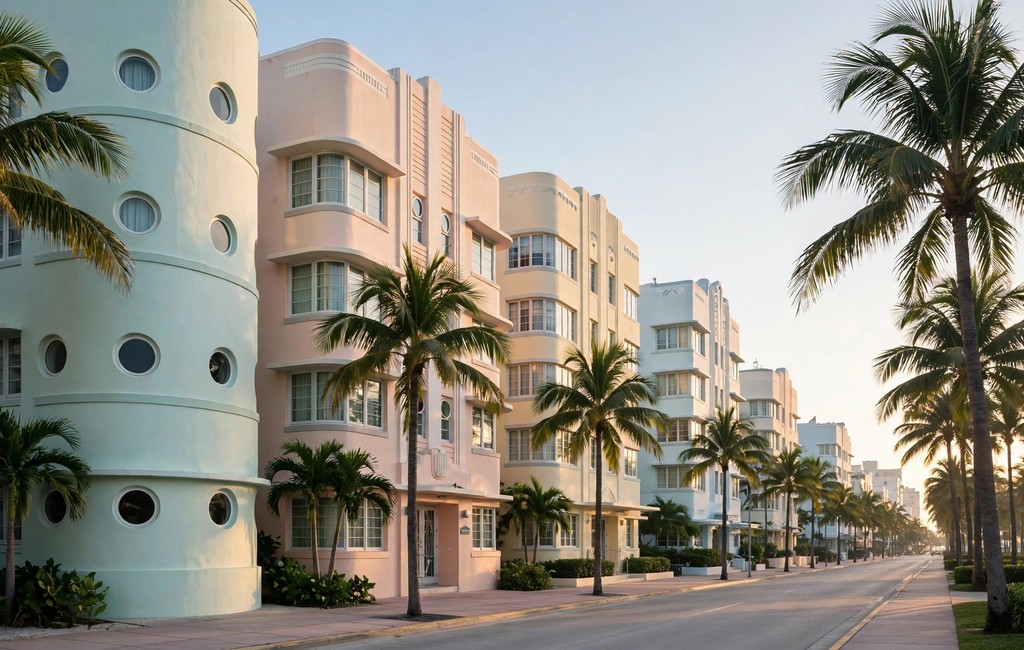
First, walk Ocean Drive in the morning when pastel hotels glow and crowds stay thin. The district stretches from 5th Street to 23rd Street along Ocean Drive and Collins Avenue. Look for porthole windows, curved corners, neon signs, and tropical pastel colors everywhere.
Next, stop at the Art Deco Welcome Center for maps, exhibits, and guided walking tours. Guides explain how builders shaped a middle class resort in the 1930s building boom. In fact, many hotels still welcome guests behind their original restored facades today.
Then cross to the sand for the classic South Beach swim and people watching scene. Colorful lifeguard stands line the shore and give photographers easy landmark shots all day. Meanwhile, the Beachwalk offers a flat path for walkers, runners, and cyclists heading north.
Finally, return at sunset when neon lights switch on and Ocean Drive turns theatrical. Dine on Lincoln Road for open air tables, shops, and a calmer evening pace. Also, South Pointe Park rewards sunset watchers with skyline views and ocean breezes.
Wynwood Walls and the Street Art Scene
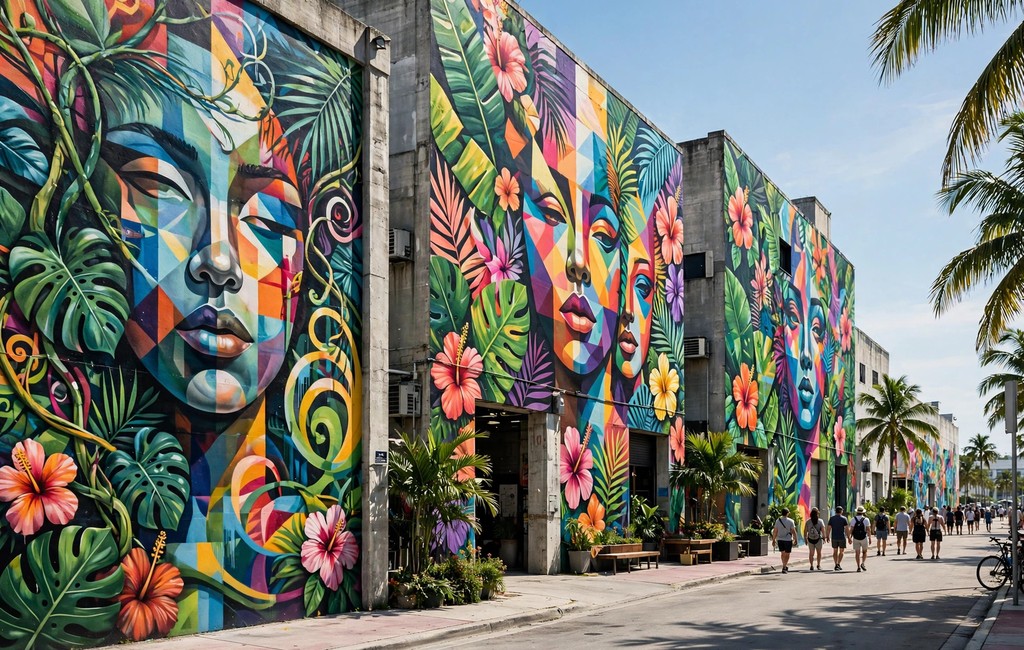
First, head to Wynwood Walls for huge murals painted by artists from around the world. The curated walls sit inside a walkable district full of galleries, breweries, and cafes. Murals rotate often, so repeat visits can feel fresh even within a single season.
Next, wander side streets for smaller murals, garage doors, and warehouse walls covered in color. Local galleries show Miami artists beside global names, which keeps the scene rooted and current. In addition, brewery taprooms and food halls give walkers easy rest stops between murals.
Then visit in late afternoon when light softens and mural colors photograph best. Evenings bring food trucks, live music, and crowds, so mornings suit quieter photo walks. Meanwhile, the Design District sits nearby for a sharp contrast in style and pace.
Finally, treat Wynwood as a living gallery rather than a single ticketed attraction. Wear comfortable shoes, carry water, and plan shade breaks on hot afternoons. Also, check gallery hours ahead, since smaller spaces keep varied schedules.
Little Havana and Calle Ocho
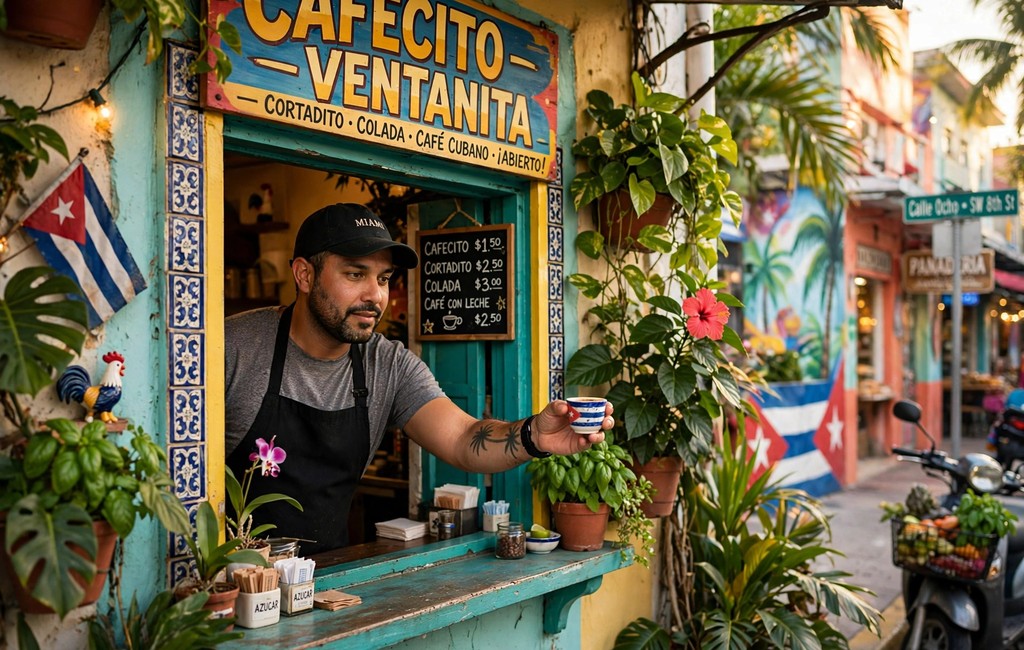
First, start at Domino Park to watch locals play dominoes beneath shaded trees. The park anchors Calle Ocho, the main street of Cuban life in Miami. Street murals, rooster sculptures, and music spill from shops along the walk.
Next, order a cafecito from a ventanita window and sip it standing like locals. Cuban sandwiches, pastelitos, and tropical juices fill menus within a few blocks. In fact, Versailles Restaurant has served Cuban classics on Calle Ocho since 1971.
Then watch cigar rollers shape cigars by hand inside small storefront factories. Live salsa and jazz often fill Ball and Chain, a historic music hall nearby. Meanwhile, cultural Fridays bring gallery nights, performances, and street life together monthly.
Finally, compare Little Havana with South Beach to feel how Miami holds many cultures. One area sells glamour and ocean views, while the other sells heritage and daily ritual. Also, arrive hungry and curious, since tasting beats reading about this neighborhood.
Vizcaya Museum and Gardens
First, tour Vizcaya, a grand villa built on Biscayne Bay in 1916. European art fills the rooms, while terraces face open water and bay breezes. Formal gardens, fountains, and stone balustrades frame some of Miami’s best photographs.
Next, wander the garden paths slowly to find orchids, sculptures, and quiet bay views. Iguanas often bask along warm stone, adding a wild touch to the formal design. In addition, the bayfront terrace suits sunset photos after the indoor tour ends.
Then pair Vizcaya with nearby Coconut Grove for lunch and waterfront village streets. The Grove offers shaded parks, cafes, and bay views at a slower pace. Meanwhile, morning visits beat afternoon heat and tour group crowds.
Pérez Art Museum Miami and Museum Park
First, visit Pérez Art Museum Miami for modern and contemporary art on the bayfront. Hanging gardens shade the terrace, while wide windows frame downtown skyline views. The collection spans the Americas, so expect strong Caribbean and Latin American voices.
Next, step outside to Museum Park for bay breezes, lawns, and skyline photographs. Frost Science sits beside the park, which makes a museum day easy for families. In fact, one downtown stop can cover art, science, and waterfront views together.
Then compare this bayfront museum cluster with the beach scene across the bay. Downtown rewards curious minds, while South Beach rewards sun seekers and night owls. Also, check current exhibits ahead, since shows rotate through the seasons.
The Everglades: Miami’s Wild Difference
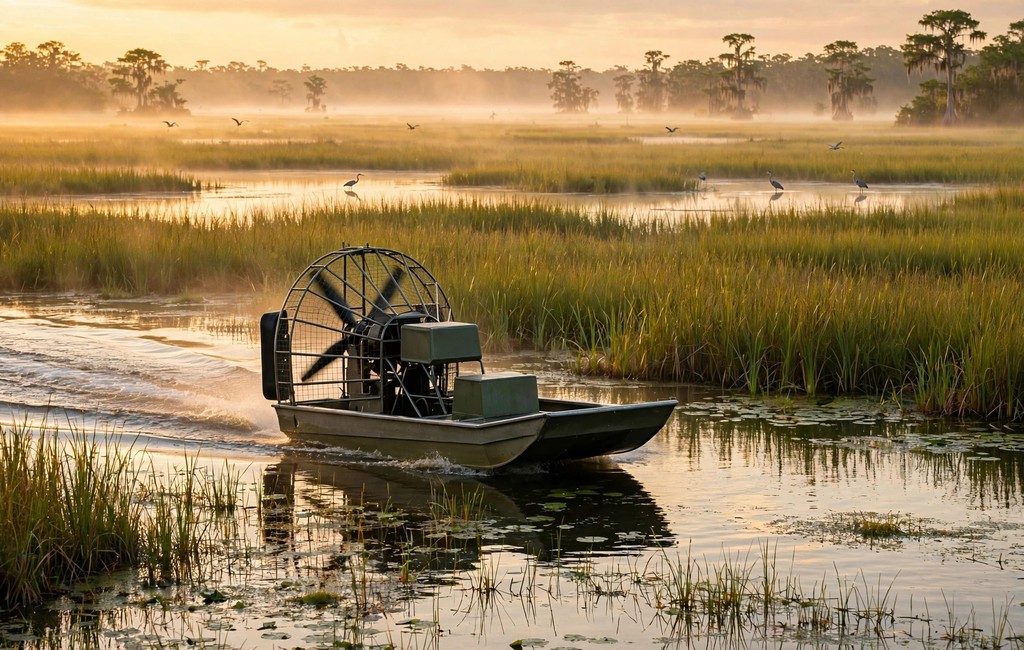
First, trade city streets for the Everglades, a vast wetland west of Miami. Airboat tours skim shallow water where alligators, herons, and manatees live. Boardwalks cross sawgrass prairies and mangrove forests without wet feet.
Next, ride the Shark Valley tram for a tower view over the river of grass. Guides point out wildlife and explain how water shapes this fragile ecosystem daily. In addition, sunrise paddles through mangrove tunnels suit adventurous early risers.
Then pack water, sunscreen, and binoculars for every trail and boat ride. Dry season months bring calmer trails, clearer wildlife sightings, and fewer mosquitoes. Meanwhile, guided tours beat solo driving for first time wetland visitors.
Finally, notice the difference between Miami’s built glamour and this open wilderness. One city offers two worlds within about one hour of driving. Also, book tram rides early during busy weekends and holiday periods.
Key Biscayne and Beach Variations
First, cross the causeway to Key Biscayne for calmer beaches and village charm. Crandon Park offers wide sand, picnic areas, and gentle water for families. Bill Baggs Cape Florida State Park adds a historic lighthouse and ocean views.
Next, compare Key Biscayne with South Beach to choose your beach style. South Beach brings crowds, music, and scene, while Key Biscayne brings quiet space. In fact, families often prefer Key Biscayne, while first timers love South Beach energy.
Then cycle the island paths or kayak calm bay waters for active beach days. Small cafes and village shops keep the island mood relaxed and local. Meanwhile, sunset from the causeway gives a skyline farewell worth the drive.
Coral Gables and the Design District
First, explore Coral Gables for Mediterranean streets, shaded canals, and elegant plazas. Miracle Mile lines up shops, cafes, and theaters along a walkable main street. The Venetian Pool offers a unique swim inside a coral rock quarry setting.
Next, contrast the Gables with the Design District for a lesson in Miami variety. The Design District mixes luxury shops, public art, and sleek architecture in one grid. In addition, courtyards and installations turn shopping walks into open air gallery visits.
Then add Fairchild Tropical Botanic Garden for orchids, palms, and butterfly wings. The garden suits slow mornings after busy beach and museum days. Also, both areas reward walkers who leave cars behind and explore on foot.
Choose by Traveler: Differences That Shape Your Route
First, match sights to your travel style instead of copying a generic list. Families gain most from Frost Science, Crandon Park, and calm Key Biscayne beaches. Couples gain most from Vizcaya gardens, sunset cruises, and quiet Coral Gables dinners.
Next, budget travelers should lean on free walks, parks, and beach days. Art Deco streets, Domino Park, and Museum Park cost little yet deliver strong memories. In fact, Miami rewards walkers more than drivers across most central neighborhoods.
Then consider pace, since Miami tempts visitors to pack too much into one day. Pick two neighborhoods per day and leave evenings open for food and sunsets. Meanwhile, first timers should anchor day one in South Beach and day two inland.
Finally, vary indoor and outdoor stops to handle heat, rain, and energy dips. Museums offer cool breaks, while beaches and parks offer open air freedom. Also, keep one flexible day for discoveries, rest, or a return favorite.
Only in Miami: Unique Experiences Worth Planning Around
First, seek experiences that exist nowhere else in quite the same mix. A morning cafecito ritual, an afternoon mural walk, and a bay sunset define Miami. Few cities blend Caribbean, Latin American, and beach cultures so tightly.
Next, ride a Biscayne Bay cruise past celebrity islands and the downtown skyline. Guides share stories about island homes, port history, and bay ecology along the way. In addition, sunset cruises turn the skyline gold for photographers and romantics alike.
Then try a food crawl that moves from Cuban sandwiches to fresh seafood and tropical ice. Little Havana, Wynwood, and South Beach each serve a different Miami on one plate. Meanwhile, night markets and live music add energy after museum hours end.
Finally, watch for seasonal events that change the city mood through the year. Art weeks, food festivals, and cultural Fridays reward travelers who check calendars early. Also, save room for unplanned stops, since Miami hides gems between famous sights.
Plan Your Miami Sightseeing Route
First, build a simple route from this guide before you book anything else. Start beachside, move inland for art and culture, then finish with wild nature. This order balances energy, heat, and travel time across your whole trip.
Next, pick one favorite from each section and let the rest stay optional. A looser plan leaves space for long lunches, sunset detours, and local tips. In addition, book popular museums and tours ahead during busy travel periods.
Finally, choose your first three sights today and map them by neighborhood. Share this guide with your travel partner and start your Miami list together. Tell us which Miami sight won your trip in the comments below.
Frequently Asked Questions
What is the best first sight in Miami for first-time visitors?
South Beach suits first timers best with sand, Art Deco streets, and easy walks.
How many days do you need to see Miami properly?
Three days cover beaches, neighborhoods, and museums, while five days add nature trips.
Is Miami walkable for sightseeing without a car?
Central neighborhoods walk well, but buses and rideshares help between distant sights.
What is unique about Miami compared with other Florida cities?
Miami blends beach glamour, Latin culture, street art, and wetlands in one city.
When is the best time of day for Miami sightseeing?
Mornings suit outdoor walks, while late afternoons suit photos and sunset views.