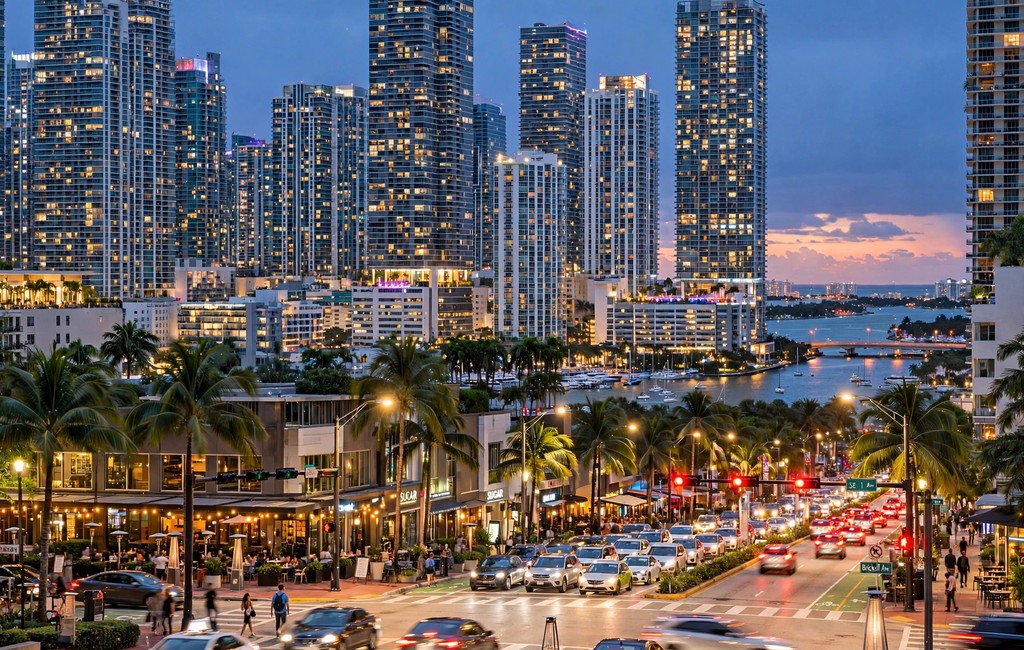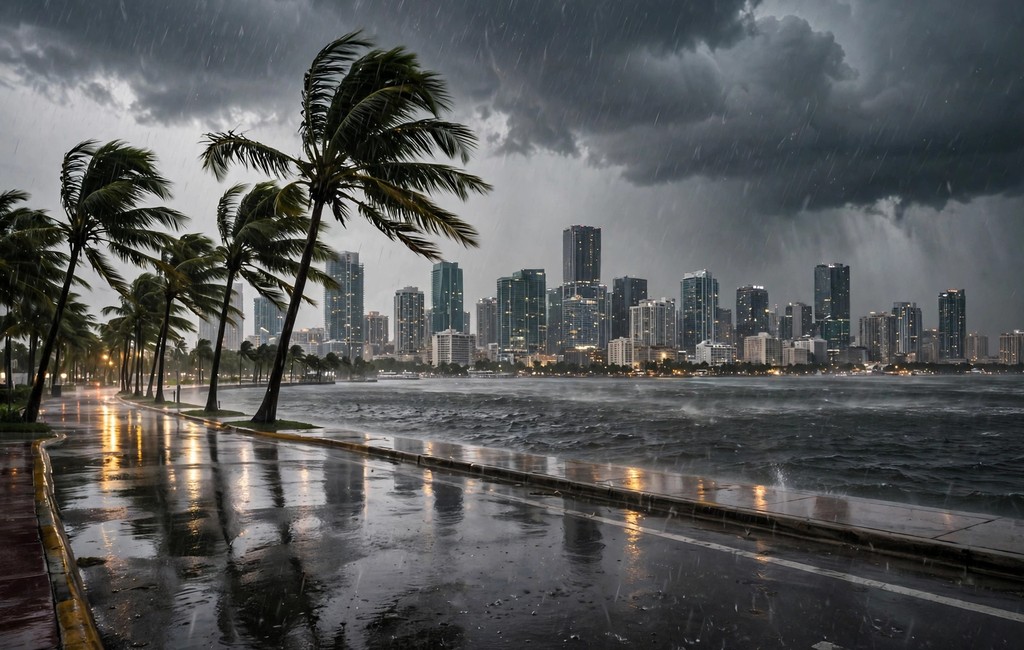
Today in Miami, expect a high near 80 degrees and thunderstorms with heavy rain. Tonight stays warm near 76 degrees, so pack a light rain jacket and umbrella. A typical November day averages a high near 80 degrees and a low near 71 degrees. Searchers asking for Miami temperature today want one thing first: the number, then what it means.
Today breaks the November pattern with flood watches and rip current warnings in place. Check the live forecast before beach plans, since storms can shift fast here. This guide explains today, the November norm, and how to plan around both.
Key Takeaways
- Today first: High near 80 degrees, low near 76, with thunderstorms and heavy rain.
- Typical November: Average highs near 80 degrees and lows near 71 degrees.
- Feels warmer: Humidity near 76 percent makes warm days feel sticky and heavy.
- Safety first: Flood watches and rip currents matter more than temperature today.
- Planning tip: Check the live forecast each morning before beach or boat plans.
Miami Temperature Today at a Glance
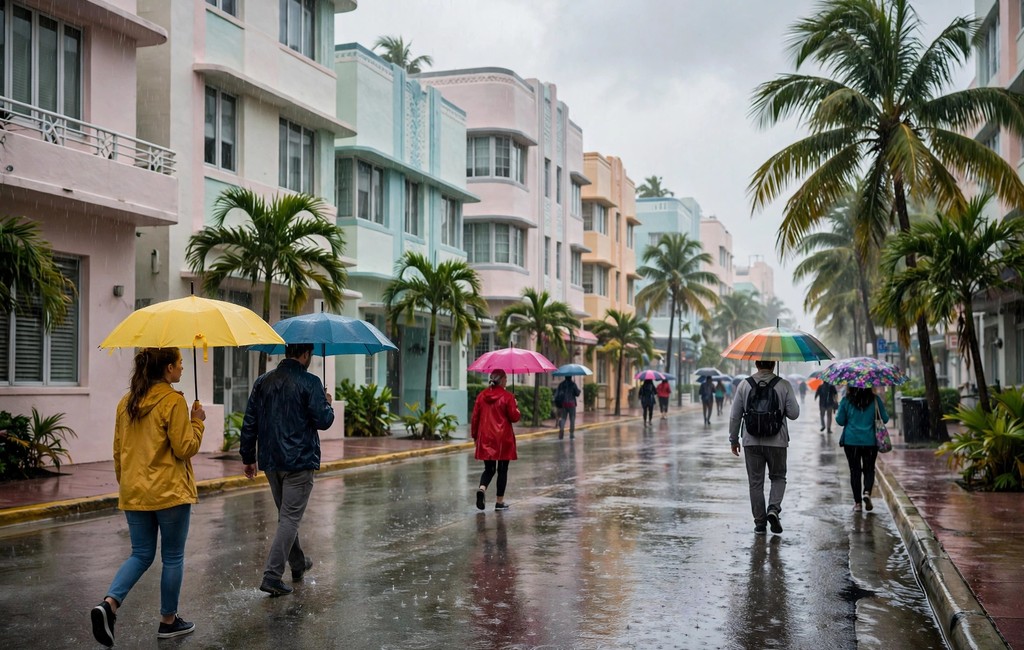
First, the headline number is simple: a high near 80 degrees today. Thunderstorms bring heavy rain at times, with several inches possible through the night. East winds run 10 to 15 mph, with stronger gusts near storm cells.
Next, tonight stays warm and muggy near 76 degrees under cloudy skies. Rain chances stay high overnight, so outdoor evening plans need a backup. In fact, flood watches cover the area, which matters more than the temperature itself.
Then compare today with the November norm to see what stands out. A typical November high also sits near 80 degrees, so heat alone is normal. Meanwhile, the rain and flood risk make today unusual, not the warmth.
Finally, treat any single day forecast as a snapshot, not a season guide. Check the live forecast again in the morning, since tropical weather shifts fast. Also, save this guide for the patterns, and check forecasts for daily numbers.
What the Temperature Feels Like
First, Miami heat feels warmer than the thermometer number suggests on most days. Humidity near 76 percent slows sweat evaporation and traps heat on skin. Dew points near 67 degrees in November still feel sticky, especially in direct sun.
Next, shade and sea breezes can drop the felt temperature noticeably within minutes. Air conditioning feels colder after humid streets, so carry a light layer indoors. In addition, cloudy storm days feel cooler at first, then heavy once rain stops.
Then watch the heat index on summer days, when felt heat climbs past 100 degrees. November brings relief from summer extremes, yet midday sun still demands water and shade. Meanwhile, evening breezes help, but muggy nights can still feel warm indoors.
Finally, judge comfort by humidity and sun, not by the headline temperature alone. Two days at 80 degrees can feel very different with wind, clouds, and rain. Also, drink water often, since humid heat drains energy without obvious sweating.
Miami Beach Versus Inland: A Real Difference
First, Miami Beach often feels cooler than inland neighborhoods on the same afternoon. Sea breezes off the Atlantic soften the heat along Ocean Drive and the Beachwalk. Inland areas trap more heat between roads, parking lots, and low breezes.
Next, the Everglades edge can feel hotter and muggier than the coast by midday. Open wetlands offer little shade, so sun and humidity hit visitors together. In fact, a coastal morning and an inland afternoon can feel like different seasons.
Then plan beach mornings and inland sights with shade, water, and rest breaks. Downtown sits between coast and inland, with bay breezes easing the afternoon heat. Meanwhile, island neighborhoods like Key Biscayne share the beach breeze advantage.
Finally, check neighborhood forecasts when plans span beach, city, and wetlands together. Small distance shifts can change wind, rain, and comfort more than expected. Also, pack for the warmest stop, then add a layer for breezy evenings.
Day Versus Night in Miami
First, Miami days warm fast once the sun clears morning clouds and humidity builds. Midday highs near 80 degrees in November still demand sunscreen, hats, and water. Afternoon showers often break the heat briefly, then humidity returns after rain.
Next, evenings cool slowly, with lows near 71 degrees on a typical November night. Outdoor dinners stay comfortable, though muggy air can cling after rainy days. In addition, sea breezes fade after sunset, so still nights feel warmer than expected.
Then compare tonight, when lows stay near 76 degrees under storm clouds. Cloud cover traps warmth overnight, which lifts the low above the November norm. Meanwhile, clear November nights cool faster and suit long evening walks better.
Finally, plan active sights for mornings and relaxed meals for warm evenings. Early starts beat midday heat, while evenings reward slow dinners and bay views. Also, keep a light jacket for air conditioned rooms, not for outdoor cold.
November in Miami: The Typical Pattern
First, November marks the shift from wet summer heat to drier winter comfort. Average highs sit near 80 degrees early in the month, then ease toward 79 degrees. Average lows slide from 72 degrees toward 67 degrees as the month progresses.
Next, rain chances fall through November, though passing showers still appear regularly. Sunshine averages about nine hours daily, which suits outdoor sightseeing well. In fact, many travelers call November a sweet spot between summer storms and winter crowds.
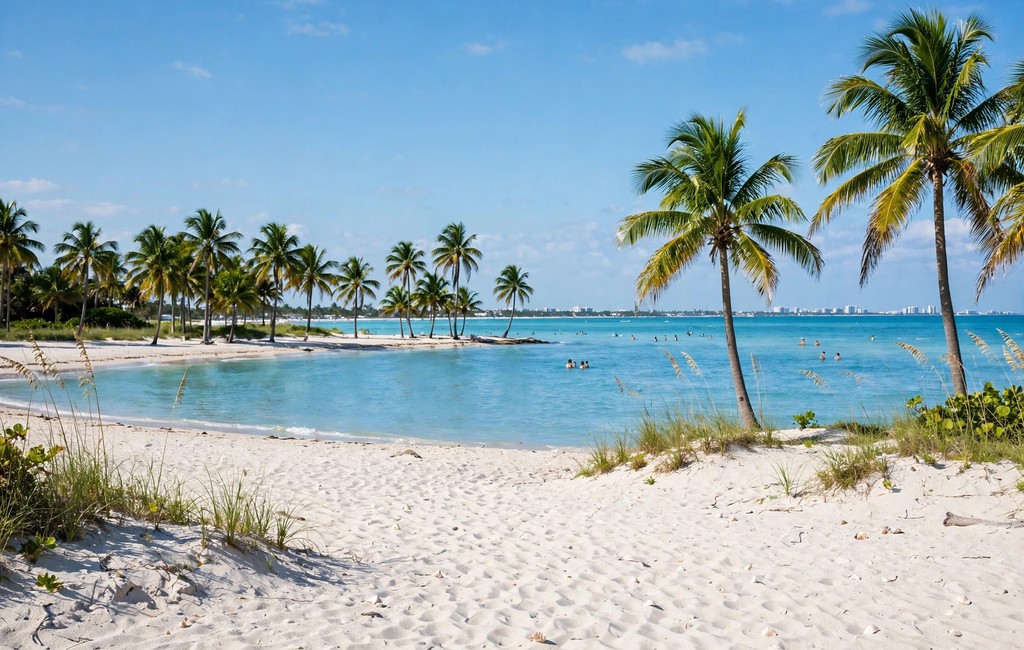
Then expect warm days, cooler evenings, and lower humidity than July or August. Cold fronts can pass through, but hard cold stays rare in Miami Novembers. Meanwhile, sea temperatures stay warm enough for swimming through most of November.
Finally, November suits first time visitors who want warmth without summer intensity. Pack light layers, sun protection, and one rain jacket for passing showers. Also, book ahead for popular weekends, since pleasant weather draws steady crowds.
How Miami Temperatures Change Through the Year
First, summer brings the highest heat, with highs often near 90 degrees. Humidity peaks in summer too, which pushes felt heat well above air temperature. Afternoon thunderstorms arrive almost daily, then clear for humid evenings.
Next, winter cools Miami gently, with highs often near 75 degrees. Cold fronts can drop lows into the 50s on rare cold snaps. In addition, winter draws the biggest crowds seeking warm escapes from northern cold.
Then spring warms steadily, with rising humidity and longer sunny days. Late spring feels like early summer, so water and shade matter more. Meanwhile, autumn cools slowly, with September still hot and November much gentler.
Finally, the yearly swing stays small compared with most American cities. Miami rarely freezes, and snow never shapes travel plans here. Also, every season rewards water, shade, and flexible daily plans.
Rain, Storms, and Sudden Changes
First, rain shapes Miami days more than temperature swings through much of the year. Summer storms build fast in the afternoon, then fade before evening plans. Today brings a stronger version, with flood watches and heavy rainfall totals.
Next, never walk or drive through flooded streets, even when water looks shallow. Turn around, wait out the storm, and choose higher ground when unsure. In fact, flood risk rises fast during slow storms, regardless of temperature.
Then watch rip currents at beaches, especially during storms and strong east winds. Swim near lifeguards, follow warning flags, and skip rough surf days. Meanwhile, hurricane season runs through November, so check tropical outlooks in autumn.
Finally, build rain plans into every Miami day, even in drier months. Museums, malls, and covered markets save wet afternoons without wasting the day. Also, storms often pass quickly, so patience beats canceling whole days.
What to Wear for Miami Weather Today
First, dress for warm rain today: light clothes, sandals with grip, and a rain jacket. Avoid heavy denim and leather shoes, which stay wet and heavy after downpours. A small waterproof bag protects phones, wallets, and cameras during sudden showers.
Next, typical November outfits stay simple: shorts, breathable shirts, and comfortable walking shoes. Add a light layer for air conditioned museums, restaurants, and evening breezes. In addition, sunscreen and a hat matter even on cloudy November days.
Then choose beach gear by forecast, not by habit, on storm days. Skip the beach bag when rip currents and lightning threaten the shore. Meanwhile, resort pools and spas offer safer water fun during rough surf.
Finally, pack one versatile outfit for dinner, since Miami evenings stay warm. Light fabrics, closed toe shoes for walking, and a rain layer cover most days. Also, leave bulky jackets home, since true cold rarely reaches Miami streets.
Plan Activities Around the Temperature
First, schedule beach time for calm mornings before afternoon storms build. South Beach mornings offer softer light, cooler sand, and thinner crowds. Boat trips suit early departures too, when winds stay lighter and skies clearer.
Next, move museums and shopping into the hottest or wettest afternoon hours. Pérez Art Museum Miami, Frost Science, and Vizcaya fill rainy afternoons well. In addition, covered markets and malls keep groups comfortable during downpours.
Then save Everglades trips for drier days with lower storm chances. Open wetlands offer little shelter, so storms can end outings fast. Meanwhile, city neighborhoods offer quick shelter and food stops between sights.
Finally, match energy to heat: active mornings, slow afternoons, lively evenings. This rhythm suits Miami climate better than packing sights into midday heat. Also, keep plans flexible, since Miami weather rewards quick changes.
How to Check the Live Miami Forecast
First, check a live forecast each morning for temperature, rain, wind, and warnings. Compare two sources when storms threaten, since models can differ on timing. The National Weather Service issues flood watches, rip current statements, and storm warnings.
Next, read hourly forecasts, not just daily highs, for beach and boat plans. Hourly rain chances reveal windows between storms for walks and photos. In addition, radar maps show storm movement better than icons alone.
Then set alerts for lightning, floods, and rip currents before water activities. Phone alerts help, but beach flags and lifeguard advice matter most on site. Meanwhile, hotel staff often know local storm timing from daily experience.
Finally, recheck the forecast after lunch, since Miami storms shift by afternoon. A calm morning never guarantees a calm afternoon in tropical weather. Also, trust warnings over plans, since safety beats any single sightseeing stop.
Plan Your Miami Day in Any Temperature
First, start with the number, then plan around what it means for you. Today calls for rain gear and indoor backups, while typical November invites beaches. Both versions of Miami reward flexible travelers who check forecasts and adapt fast.
Next, pick one beach stop, one cultural stop, and one food stop daily. This mix keeps days balanced even when storms change the order. In addition, keep evenings open for sunsets, dinners, and neighborhood walks.
Finally, check the live Miami forecast now and shape today around it. Share this guide with your travel partner and plan your Miami day together. Tell us how Miami weather shaped your trip in the comments below.
Frequently Asked Questions
What is the temperature in Miami today?
Today Miami reaches near 80 degrees with thunderstorms and heavy rain at times.
What is a typical November temperature in Miami?
Typical November days average near 80 degrees for highs and 71 for lows.
Does Miami feel hotter than the thermometer shows?
Yes, humidity often makes Miami feel warmer than the air temperature alone.
Is it safe to swim in Miami during storms?
No, skip swimming during lightning, floods, or strong rip currents.
What should I wear in Miami in November?
Wear light breathable clothes, walking shoes, sunscreen, and one rain jacket.